
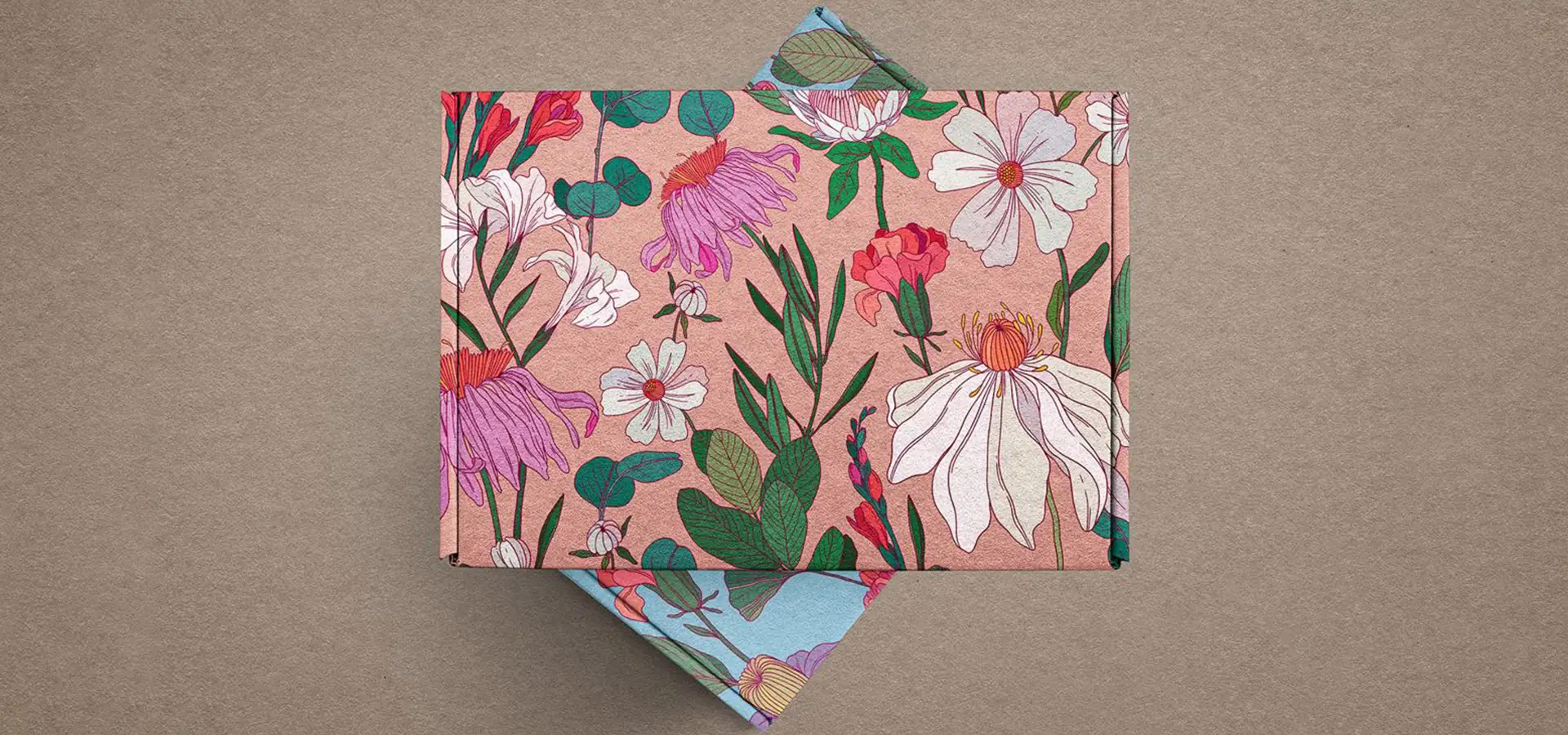
The importance of professional design in print & packaging
Print & packaging is one of the most powerful forms of visual communication. Unlike digital design, it is something the customer can touch, feel, and experience physically. For this reason, design must be not only aesthetic but also technically precise.
What does print & packaging design include?
Print and packaging design goes beyond visuals. It considers:
-
materials (paper, cardboard, plastic, etc.)
-
format and structure
-
printing techniques
-
finishing processes (lamination, spot UV, embossing)
Every detail directly affects the final product quality.
Why does packaging influence buying decisions?
Packaging is often the first physical interaction a customer has with a product. Well-designed packaging:
-
increases perceived value
-
builds brand trust
-
helps products stand out on shelves
-
influences purchase decisions
In many cases, customers judge product quality based solely on packaging.
Common print & packaging mistakes
Some frequent issues include:
-
using RGB colors for print
-
missing bleed
-
incorrect die-cut setup
-
unsuitable typography
-
poor material choices
These mistakes result in unprofessional output and unnecessary costs.
The designer’s role in the print process
A professional designer does more than create visuals. They:
-
align design with production requirements
-
anticipate technical issues
-
select appropriate materials
-
ensure accurate final output
If you need professional print or packaging design, feel free to contact me.